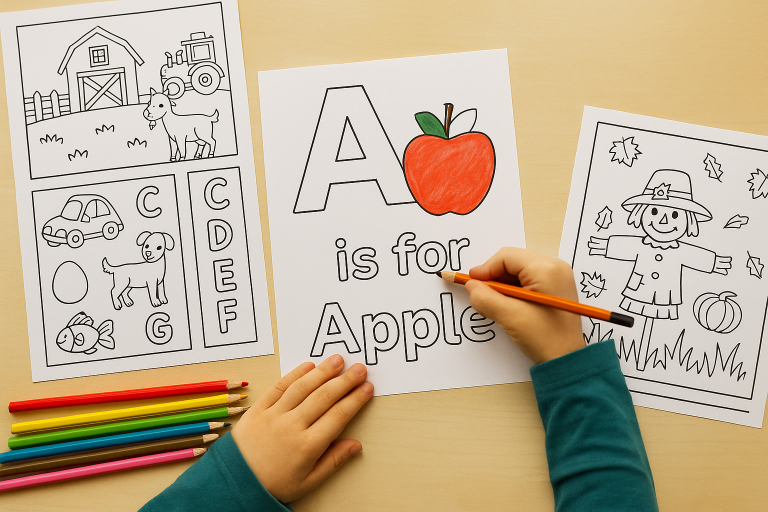
Discover how simple art activities like coloring can help kids manage big feelings with calm, creativity, and confidence.
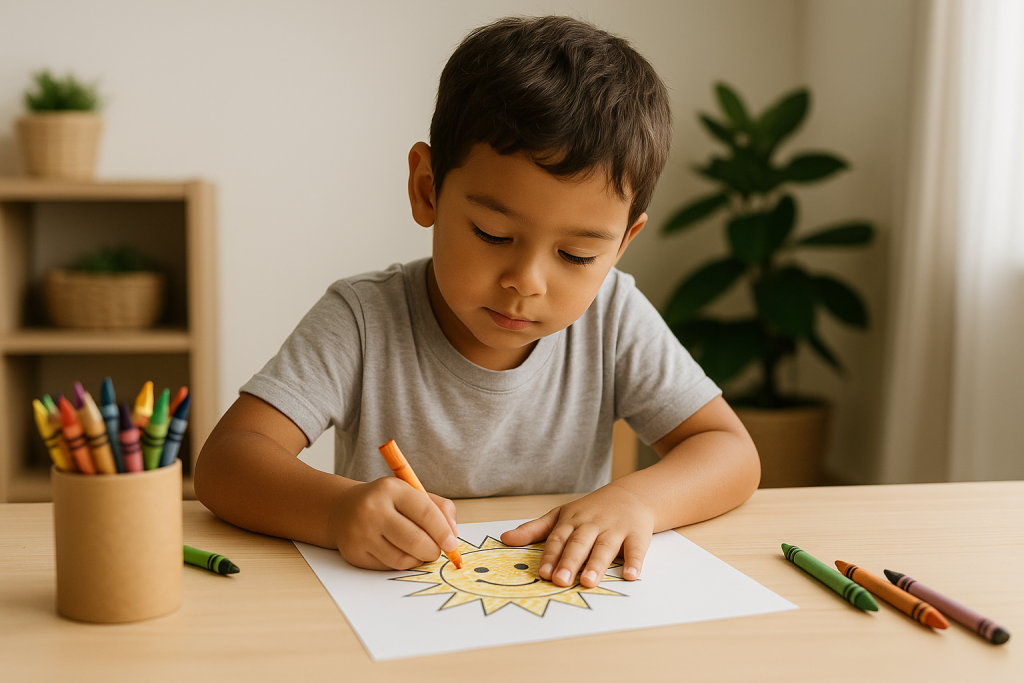
Emotions Are Big When You’re Small
For young children, emotions can feel overwhelming. A moment of frustration might turn into a meltdown; excitement can become chaos. Learning how to manage and express these big feelings is a vital part of early development, but it’s not always easy.
That’s where simple, calming activities like coloring come in. Far more than just a fun pastime, coloring can offer kids a quiet, self-guided way to process emotions, find focus, and regain a sense of calm. Whether it’s used as part of a daily routine or offered in moments of stress, coloring provides a gentle bridge between big feelings and self-regulation.
What Is Emotional Regulation?
Emotional regulation is a child’s ability to understand, manage, and respond to their feelings in a healthy way. For preschoolers and early elementary kids, this often looks like learning how to pause before reacting, use words instead of outbursts, and calm themselves when they’re upset.
This skill doesn’t come naturally, it develops over time with support and practice. Emotional regulation is essential for success in school and social settings, helping children build friendships, follow directions, and cope with challenges.
For example, a child learning to regulate might:
- Take a few deep breaths when they’re frustrated instead of shouting.
- Ask a teacher for help instead of giving up on a task.
- Use a calming strategy like hugging a stuffed animal or quietly coloring until they feel better.
The earlier kids are introduced to these tools, the better they’re able to handle the ups and downs of daily life.
How Coloring Supports Calm
Coloring becomes more than just filling in shapes, it’s a built-in emotional reset button.
Coloring isn’t just a creative outlet, it’s a powerful tool for helping children find calm in a busy or emotionally overwhelming world. Here’s how it supports emotional regulation:
- Predictable Routine: The repetitive motion of coloring — back and forth, within the lines — creates a soothing, rhythmic activity. This predictability can be especially comforting for children who feel overstimulated or anxious.
- Focused Attention: Coloring naturally encourages mindfulness. Kids must focus on what they’re doing in the moment — choosing colors, staying inside shapes — which draws their attention away from stressors and into a calm, centered state.
- Self-Paced Choice: Coloring offers children a sense of control. They get to decide what colors to use, how fast or slow to go, and when to stop. That autonomy can be grounding during moments when other parts of their world feel out of their hands.
- Physical Regulation: The act of coloring — holding crayons, coordinating hand movements — engages the body in gentle fine motor activity. This can help children reconnect with their physical senses and regulate heightened emotional states.
Emotional Expression Through Art
Coloring provides a quiet, safe space for children to express their feelings, even when they don’t have the words to describe them. Art can act as a bridge between emotion and communication, giving kids a healthy outlet for what’s going on inside. Studies show that creative activities like coloring can have a calming effect similar to mindfulness.
- Safe Emotional Outlet: Sometimes, children aren’t ready or able to say “I’m angry” or “I feel nervous.” But they might pick red to color everything, or press harder with their crayon, or leave certain areas blank. These subtle artistic choices can reflect big emotions.
- Colors as Communication: The colors kids choose — whether bright and cheerful or dark and moody — can offer insight into their current emotional state. Adults shouldn’t overanalyze, but staying curious and supportive can open up gentle conversations.
- Freedom Without Rules: One of the most powerful parts of coloring is that there’s no “right” way to do it. When children aren’t worried about making something perfect, they can truly play and express themselves. Open-ended art activities like this encourage creativity while reinforcing emotional safety.
When kids are given permission to create freely, coloring becomes more than a craft, it becomes a form of self-expression and emotional release.
Benefits Beyond the Moment
Coloring’s calming effect isn’t just in-the-moment, it can help set the tone for the rest of the day. Here’s how:
- Smoother Transitions: Children who’ve had time to self-regulate with a calming activity like coloring often shift more easily into the next task, whether it’s cleanup, lunch, or learning time.
- Better Stress Resilience: Regular, low-pressure creative time helps children cope more effectively with overstimulation or anxiety triggers. It becomes a tool they know works.
- Emotional Literacy Growth: Coloring offers moments of stillness that support internal processing. With gentle conversation, it can help children name and better understand their feelings.
Tips for Parents & Educators
Bringing calm through coloring can be simple and effective with a few thoughtful strategies:
- Create a Cozy Coloring Spot: A small, quiet area with a comfy seat and coloring supplies can serve as a go-to calm-down space when emotions run high.
- Try Emotion-Themed Prompts: Encourage self-expression with gentle prompts like “What does your anger look like?” or “Draw a place that feels peaceful.”
- Use Coloring as a Reset: After active play, transitions, or meltdowns, offer coloring as a low-pressure way to regroup and re-center.
- Keep Expectations Light: Avoid correcting how a child colors. The goal isn’t perfection, it’s peace, process, and personal expression.
Conclusion & Encouragement
Coloring may seem simple, but its impact on emotional health is anything but small. By giving children a creative, calming outlet, we help them learn to pause, process, and express their feelings in healthy ways.
Whether it’s part of a morning routine, a cool-down after play, or a tool during tricky transitions, coloring can support emotional regulation in a gentle, effective way.Want to get started? Explore our growing library of free printable coloring pages on ScribbledSprig — perfect for mindful moments, self-expression, and everyday calm.